
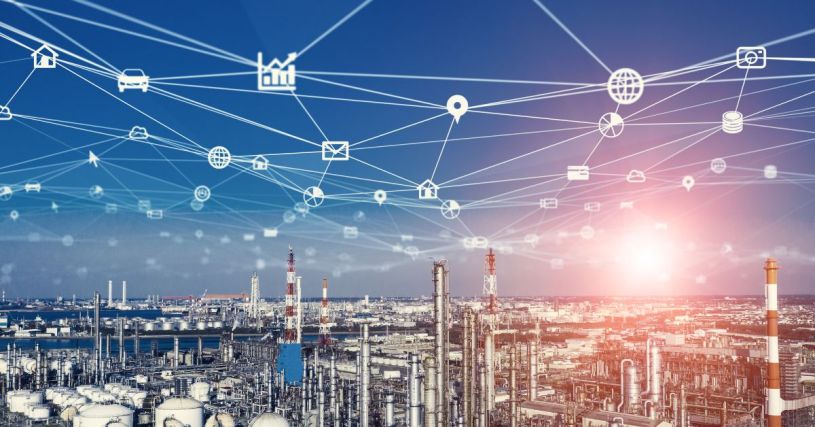
Introduction: The Lifeblood of Civilisation
Industries form the backbone of modern civilization. From the tools we use to the clothes we wear and the technologies that define contemporary life, every aspect of human progress is intertwined with industrial evolution. They not only drive economic growth but also shape cultures, redefine lifestyles, and influence global dynamics. Understanding industries, their diversification, and their transformation offers a rich perspective into the world we live in.
The Foundation of Industrial Growth
The word “industry” originates from the Latin industria, meaning diligence or purposeful activity. In its contemporary usage, it denotes a segment of the economy concerned with the production of goods and services. Broadly speaking, industries are categorized into four sectors:
-
Primary Industry: Involves the extraction of natural resources like agriculture, fishing, forestry, and mining.
-
Secondary Industry: Concerned with manufacturing and construction, transforming raw materials into finished goods.
-
Tertiary Industry: Provides services including retail, entertainment, finance, and healthcare.
-
Quaternary Industry: Centers around knowledge-based services such as information technology, research, and consultancy.
Each sector plays a critical role in the global economic mechanism, feeding into and supporting one another in a complex web of interdependence.
Industrial Revolution: A Defining Epoch
The modern concept of industry emerged with the First Industrial Revolution in the late 18th century. This era marked a shift from agrarian societies to mechanized production. Steam engines, textile mills, and ironworks changed the face of economies in Britain and later, the world. The Second Industrial Revolution introduced electricity, mass production, and chemical industries. Subsequent revolutions—the third and now the fourth—have given rise to digitalization, automation, and artificial intelligence.
Contemporary Industrial Landscape
Today’s industrial environment is a mosaic of traditional practices and cutting-edge innovation. Some prominent sectors that define our current industrial era include:
-
Manufacturing: Still a giant in the global economy, this sector has embraced automation, robotics, and lean production techniques.
-
Information Technology: No longer a niche, IT permeates every industry, driving data processing, software development, cybersecurity, and AI.
-
Healthcare and Biotechnology: Spurred by scientific advancement, this industry is at the forefront of improving life expectancy and quality of life.
-
Renewable Energy: A rapidly growing sector aimed at mitigating climate change through sustainable alternatives like solar, wind, and hydroelectric power.
-
E-commerce and Logistics: With the global shift to online retail, supply chains, warehousing, and last-mile delivery have become essential components.
The Global Impact of Industrialization
Industries are not mere economic units; they are engines of societal change. Their impact can be felt in several dimensions:
-
Economic Growth: Industrialization boosts productivity, creates employment, and contributes to GDP.
-
Urbanization: The demand for labor leads to city expansion, infrastructure development, and real estate growth.
-
Innovation and R&D: Competition fuels investment in research and technological breakthroughs.
-
Global Trade: Nations export and import goods and services, strengthening international ties and interdependence.
However, these benefits come with challenges that must be addressed judiciously.
Challenges Facing Modern Industries
While industries have advanced by leaps and bounds, they are not without complications. Key challenges include:
-
Environmental Degradation: Pollution, deforestation, and carbon emissions from industrial activity pose a serious threat to ecosystems.
-
Job Displacement: Automation and AI are rendering certain manual jobs obsolete, leading to workforce displacement.
-
Global Inequality: Industrial benefits are unevenly distributed, with developed countries reaping more rewards than developing nations.
-
Resource Scarcity: Over-reliance on finite resources has led to depletion and increased geopolitical tensions.
The Path Forward: Sustainable Industrialization
Sustainability is no longer a buzzword; it is a necessity. The industries of tomorrow must balance profitability with ecological responsibility and social equity. A few guiding principles can pave the way:
-
Green Technologies: Adoption of energy-efficient processes and sustainable raw materials.
-
Circular Economy: Promoting recycling, reusing, and reducing waste across production cycles.
-
Inclusive Growth: Creating policies that ensure equitable access to opportunities and resources.
-
Ethical Practices: Prioritizing labor rights, corporate responsibility, and fair trade.
Conclusion: A Future Built on Industrial Wisdom
Industries have sculpted the modern world and continue to shape our future. As we move forward, it becomes imperative to harness their power with foresight, responsibility, and innovation. Whether through the development of clean energy, the digitization of manufacturing, or the ethical scaling of services, the future of industries lies not just in what they produce, but in how they impact the world. A balanced, progressive, and sustainable approach will ensure that industries remain engines of prosperity for generations to come.

