
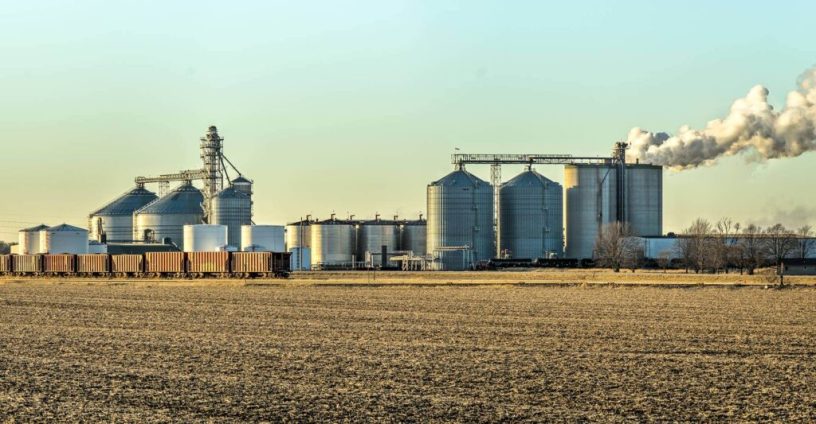
Understanding the Essence of Industry
Industries are the silent architects of modern civilization. They build the frameworks within which economies grow, societies evolve, and innovation thrives. Whether it’s manufacturing the goods we use daily, delivering vital services, or developing cutting-edge technologies, industries influence nearly every aspect of our lives. Their contributions go far beyond economics—they touch culture, education, environment, and even the way communities function and interact.
Classification of Industries: The Four Pillars
To fully grasp the scope of industrial influence, it’s helpful to understand their classifications. Industries typically fall into one of four categories:
-
Primary Industries: These are concerned with natural resource extraction, such as agriculture, mining, fishing, and forestry. They form the foundation of any economy by supplying the raw materials used in other sectors.
-
Secondary Industries: Focused on manufacturing and construction, secondary industries convert raw materials into usable products. This sector includes everything from automobile production to infrastructure development.
-
Tertiary Industries: Often referred to as the service sector, these industries provide essential services like retail, healthcare, education, entertainment, and finance.
-
Quaternary Industries: Knowledge-based sectors, including information technology, research and development, and consultancy. They are increasingly crucial in a world driven by data and innovation.
These categories illustrate the progression from raw material extraction to intellectual services, highlighting the interconnected nature of modern economies.
The Industrial Revolution: A Historic Turning Point
The birth of the industrial age in the 18th century transformed the global economic and social landscape. The First Industrial Revolution introduced mechanized production, especially in textiles and iron. The Second brought electricity, chemical industries, and mass production techniques. The Third introduced computers and digital systems, while the current Fourth Industrial Revolution merges physical and digital systems through artificial intelligence, robotics, and the Internet of Things.
Each revolution expanded the possibilities of what industries could achieve, increasing efficiency, productivity, and reach. However, these shifts also raised new challenges related to labor, environmental impact, and economic disparity.
The Modern Industrial Spectrum
Today, the industrial landscape is vast, adaptive, and increasingly tech-driven. Key sectors defining the present-day economy include:
-
Technology and Software: Powering everything from mobile apps to enterprise solutions, this industry fuels communication, commerce, and automation.
-
Green Energy: With growing environmental awareness, renewable energy industries such as solar, wind, and hydroelectric are rapidly expanding.
-
Healthcare and Pharmaceuticals: Especially significant post-pandemic, this industry is essential for public health, vaccine development, and biotechnology innovation.
-
Logistics and E-commerce: As global trade and online retail grow, logistics and supply chain management have become central to commerce.
-
Finance and Fintech: Digital banking, blockchain, and investment platforms are reshaping how capital flows and how wealth is managed.
These sectors not only generate revenue and employment but also push the boundaries of innovation and redefine consumer expectations.
The Socioeconomic Impact of Industrialization
Industries play a pivotal role in national and global development. Their broader impacts include:
-
Economic Growth: Industrial activity is directly linked to GDP, foreign trade, and foreign direct investment.
-
Job Creation: From skilled labor in factories to tech professionals in startups, industries are significant employment generators.
-
Urbanization: Industrial growth drives the development of cities, infrastructure, and public services.
-
Globalization: International supply chains and global markets are built on industrial capabilities, fostering international cooperation and competition.
These benefits make industries essential not just for progress, but for societal stability and future planning.
Challenges Confronting Today’s Industries
Despite their benefits, modern industries face numerous challenges:
-
Environmental Impact: Industrial emissions, waste, and resource consumption contribute to climate change and ecological degradation.
-
Automation and Employment: While technology improves efficiency, it also risks displacing human labor, particularly in manual and repetitive jobs.
-
Inequality: The industrial boom has often favored wealthy nations and elite segments, leaving others behind.
-
Resource Scarcity: Over-reliance on non-renewable resources leads to geopolitical tensions and long-term sustainability concerns.
Addressing these challenges requires innovation, global cooperation, and a commitment to ethical and sustainable development.
Toward a Sustainable Industrial Future
Sustainability is no longer optional—it is imperative. The industries of tomorrow must align with principles that protect the planet and promote inclusivity. Key strategies include:
-
Circular Economy Models: Encouraging reuse, recycling, and reduced waste to minimize environmental footprints.
-
Green Innovation: Developing products and processes that are energy-efficient and eco-friendly.
-
Skill Development: Preparing the workforce for new roles created by technological advancement through education and training.
-
Ethical Governance: Promoting transparency, fair wages, and safe working conditions to ensure that growth benefits all stakeholders.
Sustainable industrialization is not merely a concept—it is the blueprint for long-term resilience and global prosperity.
Conclusion: The Unseen Architects of Civilization
Industries are much more than machines and output—they are the embodiment of human ambition, creativity, and collaboration. From the steam engines of the past to the artificial intelligence of today, industries have consistently reshaped the way we live, work, and dream. As we move into an era defined by sustainability, digital innovation, and global interconnectivity, the future of industries will depend not only on how much they produce, but how responsibly they operate. Their role as engines of progress will endure, provided they evolve in harmony with both people and the planet.
 My Profit Business