
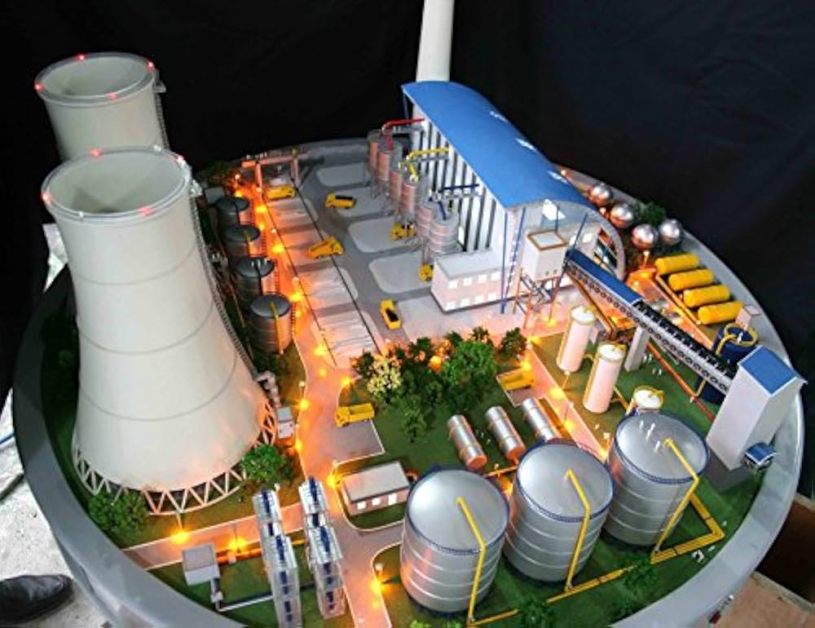
Introduction: Industry as the Cornerstone of Civilization
In every corner of the world, industries serve as the engines that propel economic growth, shape societal structures, and fuel human advancement. From manufacturing plants humming with machinery to tech hubs pulsating with innovation, industries are deeply woven into the fabric of modern life. They create jobs, produce goods, deliver services, and push the boundaries of technology. Far from being monolithic, the industrial sector is a rich, dynamic tapestry of activity, constantly adapting to new demands, evolving technologies, and shifting global challenges.
The Pillars of Industry: Understanding the Core Classifications
To appreciate the full scope of industrial activity, it’s essential to recognize the traditional classification of industries into four main sectors, each contributing uniquely to the economy and society.
-
Primary Industry
This sector involves the extraction and harvesting of natural resources. It includes agriculture, fishing, forestry, and mining. These industries form the foundation of the economic structure, supplying raw materials to other sectors. -
Secondary Industry
Focused on manufacturing and construction, this sector transforms raw materials into finished products. From automotive assembly lines to textile mills, secondary industries are at the heart of physical production and infrastructure development. -
Tertiary Industry
This service-oriented sector encompasses retail, hospitality, education, healthcare, finance, and entertainment. It provides intangible goods and services that meet the daily needs of individuals and businesses. -
Quaternary Industry
The knowledge-based economy resides here, driven by research, information technology, consultancy, and innovation. This rapidly growing sector thrives on intellectual capabilities rather than manual labor or physical resources.
Each sector not only supports its own operations but also contributes to the strength and sustainability of the others, creating a robust economic ecosystem.
The Evolution of Industry: From Revolution to Innovation
The history of industrial development is one of the most transformative narratives in human history. The First Industrial Revolution, which began in the late 18th century, ushered in mechanization, changing agricultural societies into industrial economies. Steam engines, textile manufacturing, and ironworks marked the dawn of mass production.
The Second Industrial Revolution in the 19th and early 20th centuries brought electricity, steel production, and the assembly line, further accelerating productivity. The Third, beginning in the mid-20th century, saw the rise of computers, electronics, and automation.
Now, we are in the midst of the Fourth Industrial Revolution, characterized by advanced digital technologies such as artificial intelligence, machine learning, robotics, and the Internet of Things. These innovations are redefining how industries operate, from smart factories to virtual marketplaces.
Key Drivers of Today’s Industrial Growth
The modern industrial world is shaped by a range of influential sectors and emerging trends. Here are some of the most impactful drivers:
-
Technology and Automation
The integration of digital tools, data analytics, and robotics has revolutionized manufacturing, logistics, and services, enhancing efficiency and accuracy. -
Sustainable Practices
Environmental awareness has prompted industries to adopt green technologies, reduce waste, and invest in renewable energy sources to meet climate goals and regulatory standards. -
Globalization and Trade
Cross-border collaboration, supply chain integration, and international trade agreements have expanded market access and increased competition, encouraging innovation and cost-efficiency. -
Consumer-Centric Approaches
Modern consumers demand personalized experiences, ethical sourcing, and digital convenience. Industries are reorienting their models to meet these expectations through agile production and real-time service delivery. -
Research and Development
Investment in R&D fuels progress, particularly in pharmaceuticals, biotechnology, aerospace, and clean energy, where breakthroughs can transform entire sectors.
The Societal and Economic Impacts of Industry
Industries play a pivotal role in shaping the quality of life and economic wellbeing of nations. Their influence extends far beyond financial metrics.
-
Employment Generation
From entry-level positions to high-skilled technical roles, industries are major employers. They stimulate ancillary businesses and contribute to regional development. -
Urban Development
Industrial hubs often lead to the growth of cities, driving demand for housing, transportation, and public services. -
Education and Skill Development
As industries evolve, so does the demand for new skills. This drives improvements in educational curricula, vocational training, and workforce development initiatives. -
Technological Advancements
Industrial R&D often leads to technological innovations that benefit society at large, such as medical devices, communication tools, and renewable energy systems. -
Cultural and Social Shifts
Industrial growth influences cultural norms and lifestyle patterns, from work habits and consumer choices to environmental awareness and social mobility.
Challenges Facing Modern Industries
Despite their many benefits, industries today face several critical challenges that demand strategic attention:
-
Environmental Concerns
Industrial pollution, deforestation, and carbon emissions continue to pose risks to ecological balance and public health. -
Job Displacement Through Automation
While automation increases productivity, it can also displace workers, particularly in sectors reliant on routine manual tasks. -
Supply Chain Vulnerabilities
Global crises, such as pandemics or geopolitical conflicts, expose the fragility of international supply chains, necessitating more resilient and diversified strategies. -
Resource Scarcity
The overuse of finite natural resources has prompted the need for alternative materials, recycling systems, and more sustainable consumption models. -
Ethical and Regulatory Compliance
Industries must navigate complex regulatory environments and growing public scrutiny around labor rights, data privacy, and corporate governance.
The Road Ahead: Reinventing Industry for the Future
As we look to the future, the role of industries must align with the values of sustainability, inclusivity, and technological responsibility. Here are some strategies shaping tomorrow’s industrial world:
-
Adoption of Circular Economy Models
Redesigning products and processes to extend lifecycle value, minimize waste, and encourage recycling. -
Investment in Clean Technology
Supporting the transition to low-carbon energy, electric vehicles, and environmentally friendly production methods. -
Focus on Human Capital
Prioritizing education, reskilling, and workforce well-being to ensure people remain at the heart of industrial progress. -
Smart Manufacturing
Embracing Industry 4.0 technologies to create agile, data-driven, and customer-responsive operations. -
Collaborative Innovation
Public-private partnerships, cross-industry collaboration, and open innovation platforms can accelerate progress and broaden access to opportunity.
Conclusion: Industries as Agents of Transformation
Industries are not static entities; they are dynamic, ever-evolving forces that mirror the ambitions, values, and ingenuity of society. From steam-powered looms to artificial intelligence, their journey reflects our collective progress. The challenge—and opportunity—now lies in directing this immense power toward creating a world that is not only more prosperous but also more sustainable, equitable, and resilient. In shaping the next chapter of human advancement, industries will remain the foundational pillars upon which the future is built.
 My Profit Business